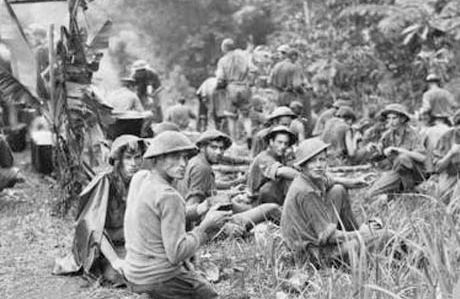
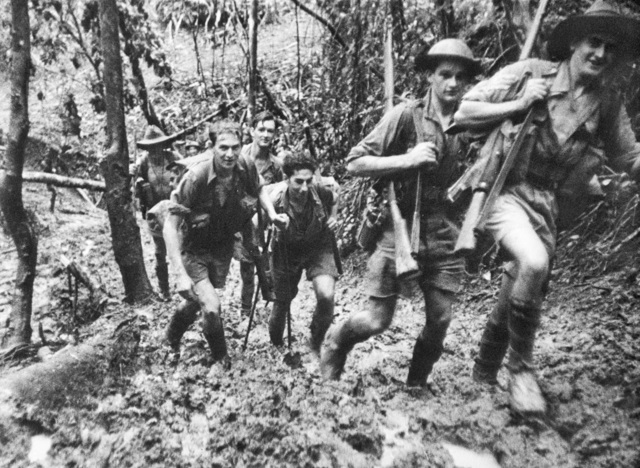
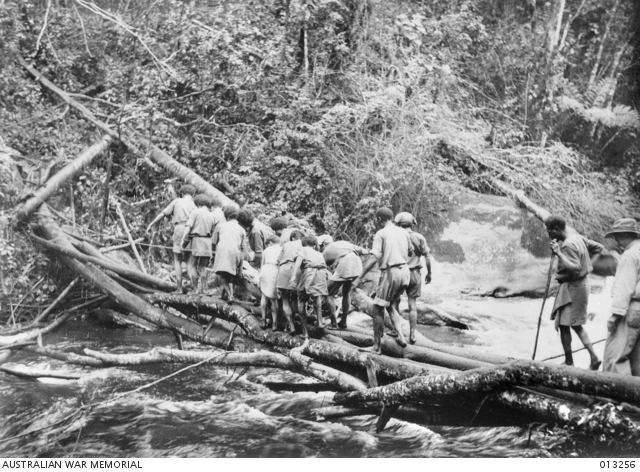
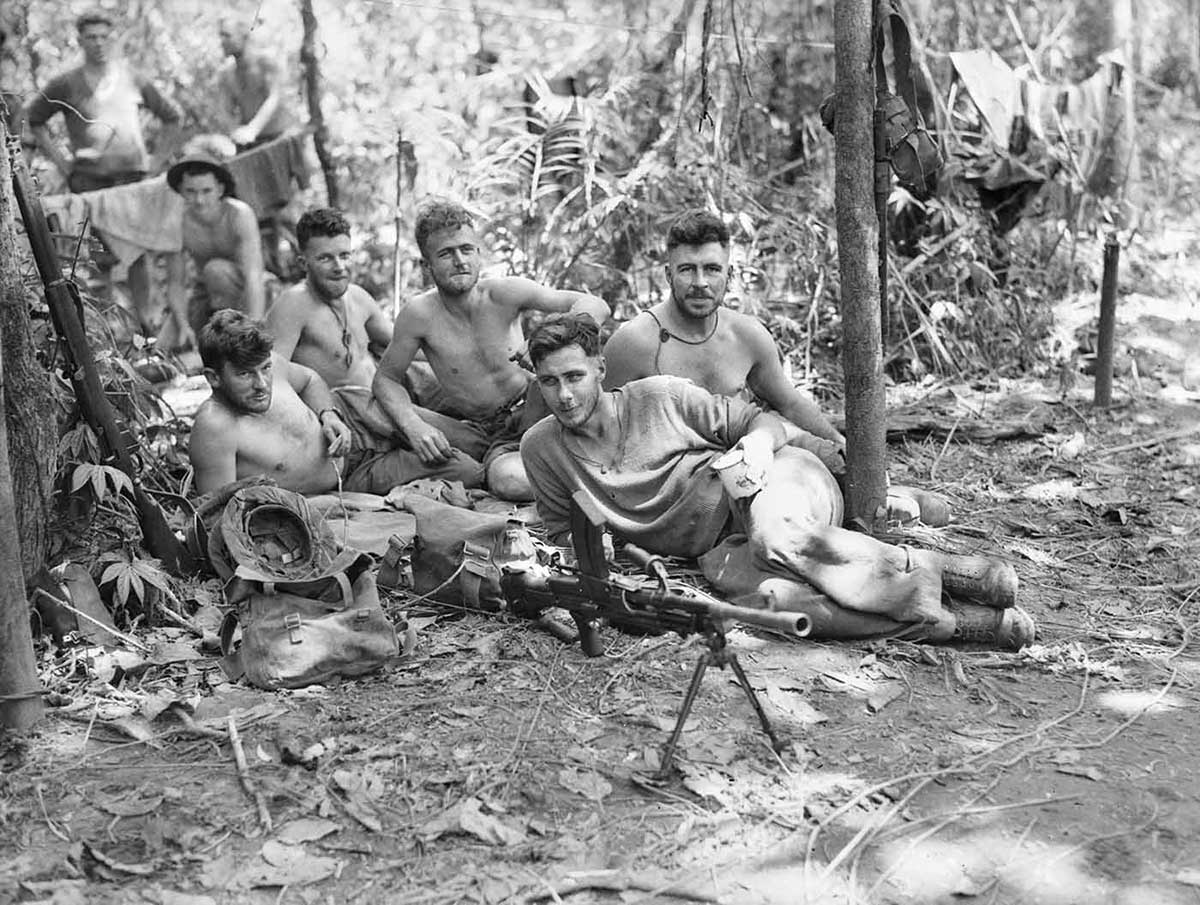
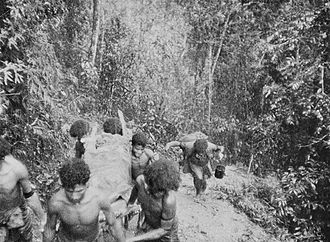
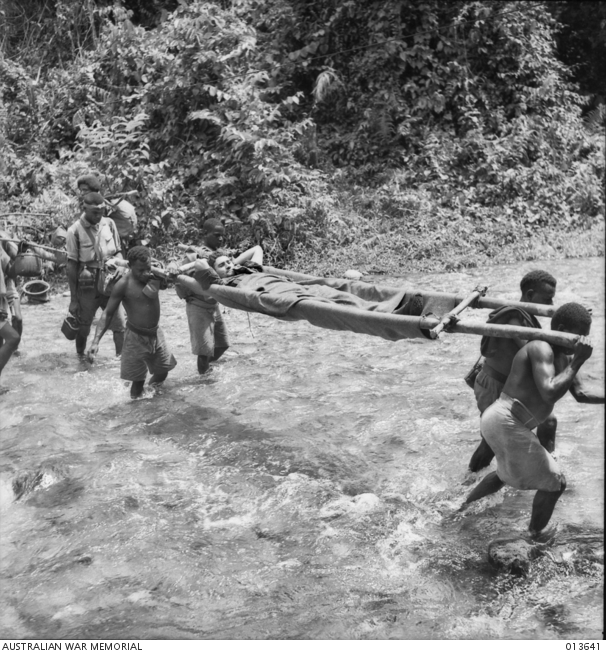
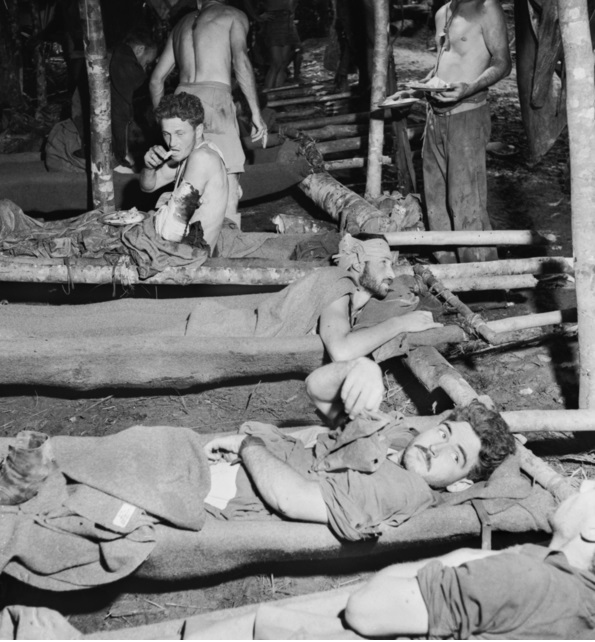
Historical photograph from the Kokoda Campaign

1942

The Kokoda Campaign

Quick Facts — Battle of Kokoda

Dates
21 July – 16 November 1942
Location
Kokoda Track, Owen Stanley Range, Papua New Guinea
Combatants
Australia (with PNG carriers) vs Imperial Japan
Outcome
Australian/Allied victory — Japanese advance on Port Moresby halted
Track length today
~96km, Owers' Corner to Kokoda

Australia's involvement in the Kokoda Campaign during World War II holds significant historical importance. In 1942, as Japanese forces advanced through the Pacific, capturing territories, their eyes were set on Papua New Guinea and Port Moresby. The Kokoda Track, a challenging mountainous trail, became the focal point of the conflict.

The Battle of Kokoda unfolded as Australian troops, along with Papua New Guinean allies, faced the Japanese in a gruelling campaign along the Kokoda Track. The battle was part of a larger strategy to defend Port Moresby and halt the Japanese advance towards Australia. Over nearly four months, from 21 July to 16 November 1942, both sides endured harsh conditions, including dense jungles, treacherous mountains, and tropical diseases.

The Australian forces, often outnumbered and facing logistical challenges, displayed immense courage and resilience. The battle marked a turning point as the Australians, through fierce and determined efforts, successfully repelled the Japanese, halting their advance. The Kokoda Campaign became a symbol of sacrifice, endurance, and the tenacity of Australian forces during a critical phase of World War II — a legacy that remains an integral part of Australia's military history.
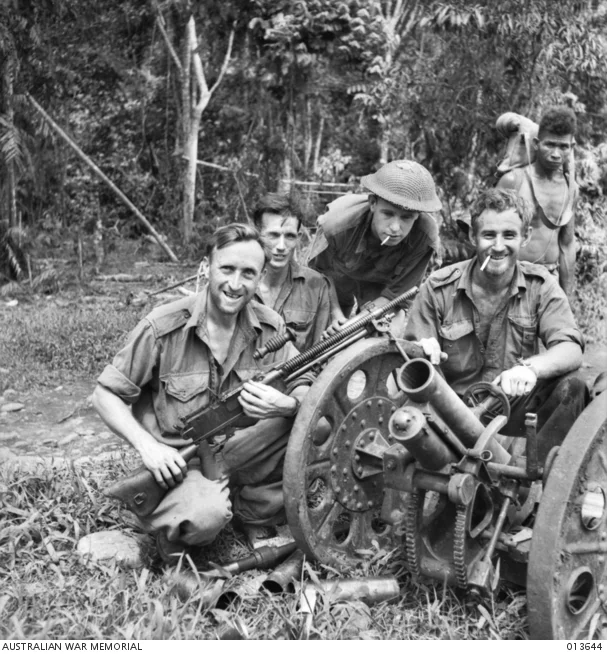
Historical photograph from the Battle of IsuravaHistorical photograph from the Battle of Brigade Hill

Watch

The Documentary

Video: Australian War Memorial (AWM Collection).

The Kokoda Battles

Battle Timeline

Members of the 39th Battalion retreating after the Battle of Isurava (Australian Army).

Battle of Isurava

August 26 – September 5, 1942

Australian forces faced intense Japanese attacks in the Isurava area. Fierce fighting occurred as the Australians sought to defend their positions.

Members of the 39th Battalion retreating after the Battle of Isurava (Australian Army).

Read more about Battle of Isurava →

Frequently Asked Questions

About the Kokoda Campaign

What was the Battle of Kokoda?

The Battle of Kokoda refers to the fighting along the Kokoda Track in Papua (now Papua New Guinea) during 1942, part of the wider Kokoda Track campaign in which Australian forces halted a Japanese advance aimed at capturing Port Moresby.

When was the Kokoda campaign?

The Kokoda Track campaign was fought from 21 July to 16 November 1942, during the Second World War.

How long did the Kokoda campaign last?

The campaign lasted almost four months, from late July to mid-November 1942, as fighting moved back and forth along the track between Kokoda and Port Moresby.

Where is the Kokoda Track?

The Kokoda Track runs through the Owen Stanley Range in Papua New Guinea, connecting Owers' Corner (near Port Moresby) to the village of Kokoda.

Why was the Kokoda campaign significant to Australia?

The Kokoda campaign is regarded as one of the most significant in Australian military history. Had the Japanese advance succeeded, Port Moresby — and potentially mainland Australia — would have been directly threatened. Australian and Papua New Guinean forces halted and reversed that advance.

Who fought in the Battle of Kokoda?

Australian militia and AIF units — including the 39th Battalion and later the 21st Brigade — fought against the Japanese South Seas Force, supported throughout by Papua New Guinean porters and carriers, known to the Australians as the 'Fuzzy Wuzzy Angels'.

What was the outcome of the Kokoda campaign?

Australian and Allied forces halted and repelled the Japanese advance along the track, preventing the capture of Port Moresby — a strategically pivotal Allied victory in the Pacific War.

How long is the Kokoda Track today?

The modern Kokoda Track is approximately 96km long through tropical rainforest across the Owen Stanley Range. Trekkers today typically complete it over 8 days / 7 nights on the track — see our full itinerary.